Where to Sell Handmade Crafts: Your Ultimate Guide
June 24, 2026 15 min read 2,973 words
Unlock the secrets to successfully selling your unique creations and building a thriving craft business.
Start Selling Now
Navigating the Digital Landscape: Online Marketplaces for Handmade Goods
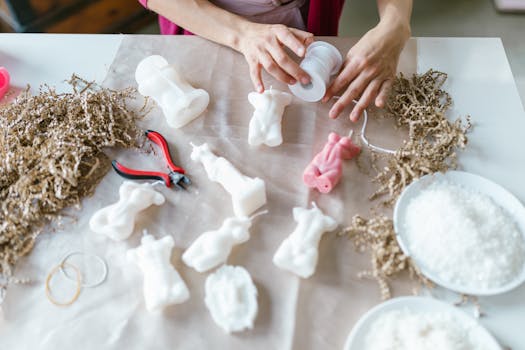 Photo: RDNE Stock project / Pexels
In today's interconnected world, online marketplaces offer an unparalleled opportunity for artisans to reach a global audience. The sheer volume of potential customers available through these platforms makes them an indispensable tool for anyone wondering where to sell handmade crafts. However, not all platforms are created equal, and understanding their nuances is key to selecting the right fit for your unique creations. Each marketplace comes with its own fee structure, audience demographics, and level of creative control, necessitating careful consideration.
Etsy stands as the undisputed giant in the handmade and vintage goods sector. Its massive user base, intuitive interface, and strong brand recognition make it a go-to for many crafters. Setting up a shop is relatively straightforward, and Etsy provides a suite of tools for listing products, managing orders, and even running promotions. However, its popularity also means high competition. To succeed on Etsy, sellers must focus on exceptional product photography, compelling descriptions, strategic keyword usage, and proactive customer service. While the transaction fees (6.5% + payment processing) and listing fees ($0.20 per item) are manageable, standing out requires consistent effort and a clear brand identity. Many sellers find success by specializing in a particular niche, such as personalized jewelry, unique home decor, or custom apparel, which helps them target specific buyers within Etsy's vast ecosystem.
Beyond Etsy, other platforms cater to different segments of the handmade market. Shopify, for instance, offers a more robust and customizable solution for those looking to build their own independent e-commerce store. While it requires more initial setup and marketing effort from the seller, it provides complete control over branding, customer data, and sales channels, without the direct competition found on marketplaces. Shopify operates on a subscription model, with various plans offering different features, and transaction fees that decrease with higher-tier plans. This option is ideal for crafters ready to invest in building a standalone brand and who desire full autonomy over their online presence. The ability to integrate various apps for marketing, shipping, and accounting makes Shopify a powerful tool for scaling a handmade business. For more insights into building your brand, explore our guide on
crafting a compelling artist statement.
Another notable player is Amazon Handmade, Amazon's curated section for artisan-made goods. This platform offers access to Amazon's enormous customer base, but it comes with a more stringent application process to ensure products are genuinely handmade. While the reach is undeniable, Amazon Handmade charges a 15% referral fee per sale, which is higher than Etsy's. However, for certain high-volume or higher-priced items, the exposure can outweigh the fees. Sellers benefit from Amazon's robust fulfillment and customer service infrastructure, though they must adhere to Amazon's strict seller policies. It's particularly well-suited for artisans whose products align with Amazon's mainstream consumer appeal and who are comfortable with a more corporate selling environment. The key to success here lies in understanding Amazon's search algorithms and leveraging their promotional tools effectively. Each of these online avenues presents a unique set of advantages and challenges, making the choice dependent on your business goals, product type, and desired level of control.
Embracing the Local Scene: Craft Fairs, Markets, and Boutiques
 Photo: Yusuf Kayode / Pexels
While online platforms offer global reach, the tactile experience of selling handmade crafts in person provides invaluable benefits that digital channels simply cannot replicate. For many artisans, understanding where to sell handmade crafts locally is just as crucial as navigating the digital sphere. Local craft fairs, farmers' markets, art festivals, and pop-up events offer direct interaction with customers, allowing you to tell your story, showcase the quality of your work firsthand, and build a loyal local following. This face-to-face engagement can lead to stronger customer relationships, immediate feedback, and often, higher perceived value for your unique creations.
Craft fairs and art festivals are staples for handmade sellers. These events range from small community gatherings to large, juried shows attracting thousands of visitors. Participating in a craft fair requires more than just setting up a table; it demands careful planning, an attractive booth display, and excellent interpersonal skills. Researching local event calendars, applying well in advance, and understanding the target audience of each fair are critical steps. Booth fees can vary significantly, from a nominal charge for a community market to several hundred dollars for a premier art show. However, the potential for direct sales, networking with other artisans, and gaining brand exposure often justifies the investment. Successful craft fair vendors often bring a variety of price points, accept multiple payment methods, and have a compelling story ready to share about their creative process. They also understand the importance of clear signage and an inviting atmosphere to draw customers in.
Farmers' markets, though primarily focused on produce, have increasingly become popular venues for artisans selling food-related crafts, soaps, candles, and other handmade goods. The relaxed, community-focused atmosphere and consistent foot traffic make them an excellent option for certain types of products. Entry requirements are often less stringent than large art festivals, and booth fees are generally lower. The key here is to ensure your products align with the market's overall vibe and appeal to its existing customer base. Building relationships with other vendors and market organizers can also lead to valuable referrals and repeat opportunities. It's a fantastic way to connect with local consumers who appreciate quality, handmade items.
Consignment and wholesale opportunities with local boutiques and gift shops represent another avenue for local sales. This approach allows your products to be showcased in established retail environments without requiring your constant presence. Consignment typically involves the shop taking a percentage of the sale after the item sells (often 40-60%), while wholesale means you sell your items to the shop at a reduced price (typically 50% of retail) upfront. Both options require a professional presentation of your work, clear pricing, and a reliable supply chain. Approaching local businesses with a well-designed catalog or lookbook and samples of your work can open doors to these partnerships. This strategy is particularly effective for artisans looking to expand their reach without the logistical demands of managing their own retail space or attending every market. It also lends credibility to your brand by being featured alongside other curated products.
Building Your Brand: Personal Websites and Social Commerce Strategies
 Photo: Zeynep Sude Emek / Pexels
Beyond the established marketplaces and local events, creating your own digital storefront and leveraging social media platforms offers unparalleled control and direct connection with your audience. For crafters asking where to sell handmade crafts with maximum autonomy, a personal website is often the answer. Platforms like Squarespace, Wix, and the aforementioned Shopify provide user-friendly tools to design and launch a professional e-commerce site without extensive coding knowledge. The primary advantage here is complete control over your branding, design, customer data, and pricing structure. You're not subject to marketplace fees (beyond payment processing) or algorithm changes, allowing you to cultivate a truly unique online presence.
Building a personal website requires an initial investment of time and potentially money for hosting, domain registration, and platform subscriptions. However, the long-term benefits of owning your digital real estate are significant. It allows for advanced SEO strategies, integration with email marketing campaigns, and the ability to showcase your entire portfolio in a cohesive manner. High-quality product photography, compelling storytelling about your creative process, and a seamless shopping experience are paramount for success. A blog section can also be a powerful tool for engaging your audience, sharing behind-the-scenes content, and driving organic traffic to your site. This direct-to-consumer model fosters deeper customer relationships and allows for higher profit margins per sale, as you eliminate third-party commissions. Consider linking your website to your social media profiles for a cohesive online presence, as discussed in our article on
leveraging social media for artists.
Social commerce, the act of selling products directly through social media platforms, has exploded in popularity, offering another dynamic avenue for handmade sellers. Platforms like Instagram, Facebook, and Pinterest have integrated shopping features that allow users to discover, browse, and purchase products without leaving the app. Instagram Shopping, for example, enables businesses to tag products in posts and stories, leading users directly to product pages or your website. Facebook Marketplace and Shops offer similar functionalities, allowing you to list items and connect with local buyers or a broader audience. Pinterest, with its visual discovery nature, is ideal for showcasing aesthetically pleasing crafts and driving traffic to your product listings.
Success in social commerce hinges on creating visually appealing content, engaging with your audience, and consistently posting. High-quality photos and videos that highlight the craftsmanship and uniqueness of your products are essential. Utilizing relevant hashtags, running targeted ads, and collaborating with influencers can significantly expand your reach. Live selling events on platforms like Facebook or Instagram Live have also become popular, allowing crafters to demonstrate their products, interact with viewers in real-time, and generate immediate sales. While social media platforms are excellent for discovery and direct sales, they often work best in conjunction with a dedicated e-commerce site, acting as powerful traffic drivers. The key is to choose platforms where your target audience spends their time and tailor your content to fit the platform's style and user expectations.
Essential Tips for Selling Handmade Crafts Successfully
 Photo: Emediong Umoh / Pexels
Embarking on the journey of selling handmade crafts can be incredibly rewarding, but success often hinges on more than just creating beautiful items. Strategic planning, effective marketing, and a customer-centric approach are vital. Here are some essential tips to help you thrive, whether you're wondering where to sell handmade crafts online or in person:
* **Define Your Niche and Brand Identity:** What makes your crafts unique? Who are you trying to reach? A clear niche helps you stand out in a crowded market and attracts your ideal customer. Develop a consistent brand identity – from your logo and packaging to your product descriptions and social media presence. This consistency builds recognition and trust.
* **Master Product Photography:** In the digital age, your product photos are your storefront. Invest time in learning how to take high-quality, well-lit, and aesthetically pleasing images. Show your products from multiple angles, in context, and highlight their unique details. Professional-looking photos are non-negotiable for online sales.
* **Write Compelling Product Descriptions:** Don't just list features; tell a story. Describe the inspiration behind your craft, the materials used, the care taken, and the benefits to the customer. Use keywords that potential buyers might search for, but keep the language engaging and authentic to your brand.
* **Price Your Crafts Profitably:** This is a common challenge for crafters. Don't undersell yourself. Factor in the cost of materials, your time (pay yourself a fair hourly wage!), overheads, and platform fees. Research competitor pricing, but ultimately, price your items to reflect their true value and ensure your business is sustainable.
* **Provide Exceptional Customer Service:** Happy customers are repeat customers and powerful advocates. Respond promptly to inquiries, handle issues gracefully, and go the extra mile. Personalized notes with orders, efficient shipping, and clear communication build loyalty and positive reviews.
* **Diversify Your Sales Channels:** Relying on a single platform or market can be risky. Explore a mix of online marketplaces, your own website, local craft fairs, and wholesale opportunities. This diversification provides stability and expands your reach.
* **Utilize Social Media Strategically:** Choose 1-2 platforms where your target audience is most active. Don't just post product photos; share behind-the-scenes glimpses, process videos, and engage with your followers. Social media is for building community, not just selling.
* **Collect and Leverage Customer Feedback:** Pay attention to reviews, comments, and direct feedback. It provides valuable insights into what's working, what needs improvement, and what new products your audience might want.
* **Understand Shipping and Logistics:** For online sales, clear shipping policies, reliable packaging, and competitive shipping rates are crucial. Factor shipping costs into your pricing strategy or offer transparent shipping options to customers.
* **Network with Other Artisans:** Connect with fellow crafters online and in person. You can learn from their experiences, share tips, collaborate on projects, and even discover new selling opportunities. The handmade community is often incredibly supportive.
