What are the Different Types of Art? Explore Creative Realms
August 12, 2026 16 min read 3,181 words
Dive into the vast and varied world of artistic expression, understanding the core categories that shape human creativity.
Discover Art's Diversity
Unpacking the Visual Arts: A Spectrum of Sight and Touch
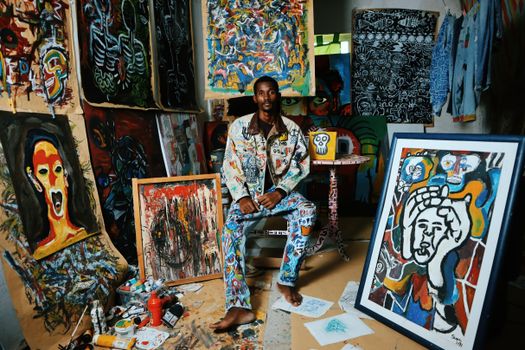 Photo: Sandro Lopes Art / Pexels
When we ask 'what are the different types of art,' visual arts often come to mind first. This category is perhaps the most immediately recognizable, encompassing creations primarily appreciated through sight and sometimes touch. It's a vast realm that has shaped human culture for millennia, from ancient cave paintings to contemporary digital installations. Understanding these forms is crucial to grasping the breadth of artistic expression.
Painting, for instance, is a foundational visual art. It involves applying pigment to a surface, creating images, abstract compositions, or narrative scenes. Its history is rich and varied, spanning movements like Renaissance portraiture, Impressionist landscapes, Cubist abstractions, and Abstract Expressionist canvases. Each movement brought new techniques, philosophies, and ways of seeing the world. From the meticulous detail of Jan van Eyck to the vibrant energy of Vincent van Gogh, painting offers an endless exploration of color, form, and emotion. The choice of medium – oil, acrylic, watercolor, tempera – significantly impacts the final aesthetic and tactile qualities of the artwork.
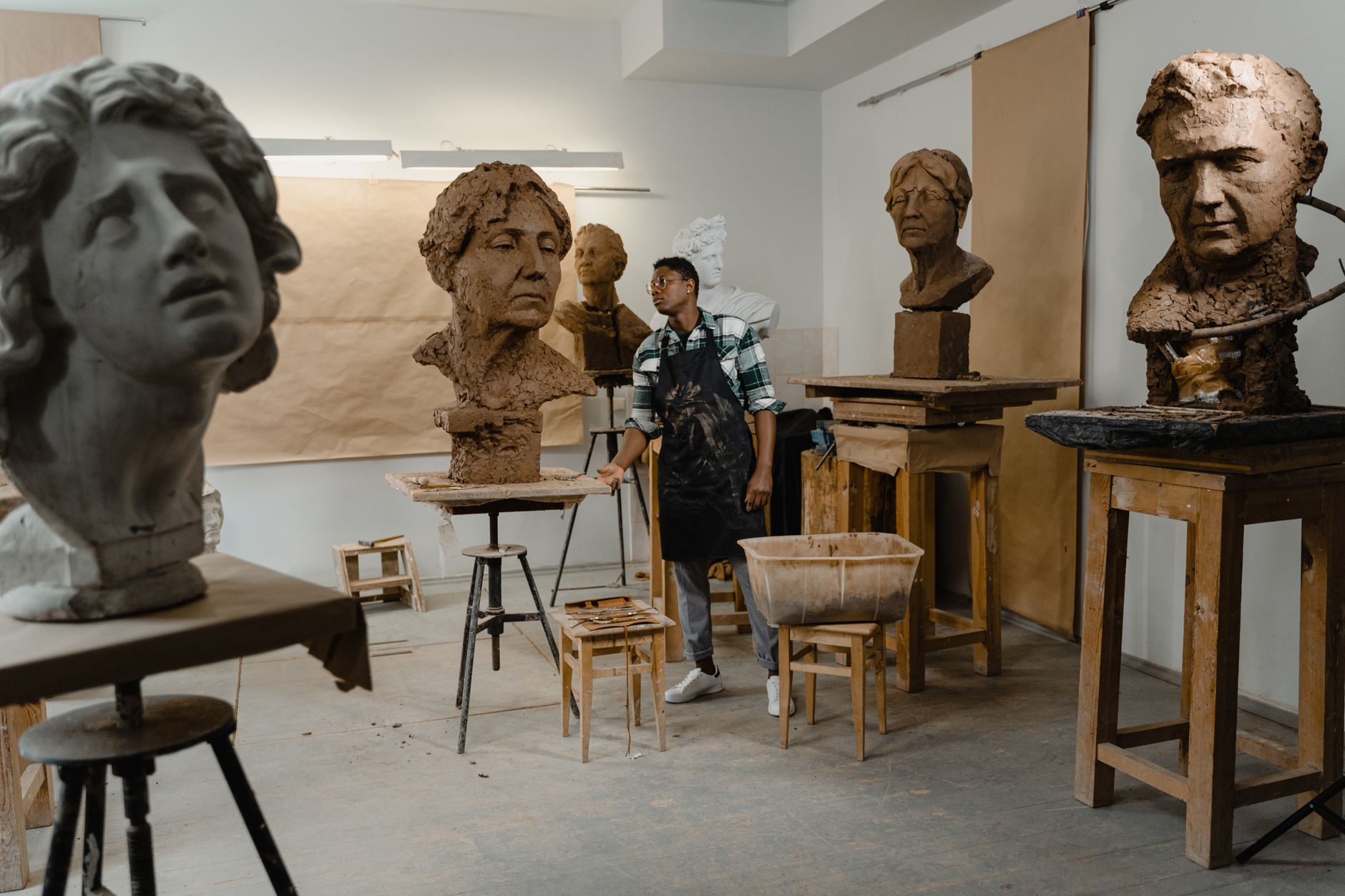
Sculpture, another cornerstone of visual art, involves shaping materials into three-dimensional forms. Traditionally, this meant carving stone or wood, modeling clay, or casting metal. Think of Michelangelo's 'David' or the ancient Greek marble statues. Modern sculpture, however, has expanded to include a dizzying array of materials and methods, from welded steel and found objects to light installations and inflatable structures. Artists like Alexander Calder introduced kinetic sculpture, adding movement as a core element, while contemporary sculptors often challenge the very definition of form and space. The interplay of light and shadow on a sculpted surface, and the way a piece occupies and defines space, are central to its impact.
Architecture, often called the 'mother of all arts,' combines aesthetics with functionality. It's the art and science of designing and constructing buildings and other physical structures. Unlike painting or sculpture, architecture is inherently public and functional, shaping our environments and daily lives. From the grandeur of the Roman Colosseum to the intricate patterns of Gothic cathedrals, and the sleek lines of modern skyscrapers, architectural styles reflect cultural values, technological capabilities, and artistic visions. An architect considers not just visual appeal but also structural integrity, material science, and the human experience within the space. It’s a powerful testament to human ingenuity and our desire to create meaningful places.
Exploring architectural marvels can reveal deep insights into different civilizations.
Photography, a relatively newer visual art form, emerged in the 19th century and revolutionized how we capture and perceive reality. It uses light to create images, offering a unique ability to document, interpret, and manipulate the world around us. From documentary photography capturing historical moments to fine art photography exploring abstract concepts, and commercial photography shaping our consumer culture, its applications are diverse. The digital age has further democratized photography, making it accessible to millions and blurring the lines between amateur and professional. Understanding composition, light, and narrative are key to impactful photography, whether it's a candid street shot or a meticulously staged portrait.
Drawing, often considered the foundation of all visual arts, involves creating images using lines and marks. It can be a preliminary sketch for a painting or sculpture, or a finished work of art in itself. Materials range from pencil and charcoal to ink and pastels. The immediacy and directness of drawing allow artists to capture ideas, observations, and emotions with remarkable spontaneity. It's a fundamental skill that underpins much of visual artistic practice, allowing for rapid ideation and detailed observation. The simplicity of a line can convey profound meaning, making drawing a powerful and versatile medium. Each of these visual arts contributes uniquely to the rich tapestry of human expression, inviting viewers to engage with the world through a different lens.
The Dynamic World of Performing Arts: Experience in Motion
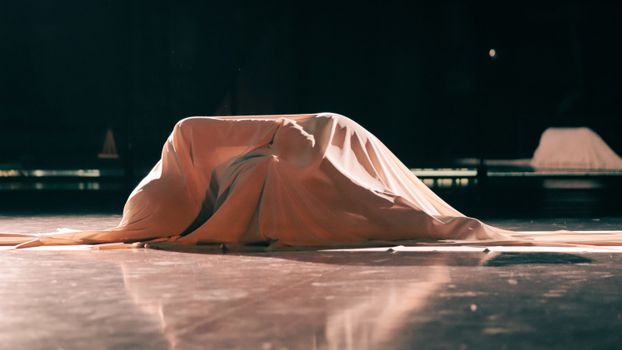 Photo: Miguel Rodriguez León / Pexels
Moving beyond the static image, the performing arts bring art to life through action, sound, and movement. This category directly addresses the question of what are the different types of art by focusing on live experiences, where the artist's body, voice, or instruments are the primary medium. Performance is inherently ephemeral, existing in a specific time and space, creating a unique connection between performer and audience. The immediacy of a live performance distinguishes it from other art forms, often fostering a profound shared experience.
Music stands as a universal language, transcending cultural barriers through organized sound. It's an art form that manipulates pitch, rhythm, harmony, and timbre to create compositions that evoke emotion, tell stories, or simply provide aesthetic pleasure. From classical symphonies and operatic arias to jazz improvisations, rock anthems, folk ballads, and electronic soundscapes, the diversity within music is staggering. Different genres and styles reflect distinct cultural contexts, historical periods, and individual artistic visions. The creation of music involves composition, arrangement, and performance, whether by a solo instrumentalist, a choir, or a full orchestra. The emotional power of music is undeniable, capable of stirring joy, sorrow, excitement, or contemplation in its listeners.
Dance is the art of movement, using the human body as its primary instrument. It's a non-verbal form of expression that can convey narratives, emotions, or abstract ideas through choreographed sequences. From the structured elegance of ballet and the passionate storytelling of flamenco to the energetic freedom of contemporary dance, and the ritualistic movements of traditional folk dances, each form possesses its own vocabulary and cultural significance. Dancers train rigorously to achieve control, grace, and expressive power, transforming physical actions into profound artistic statements. The interplay of movement, music, costume, and lighting creates a complete sensory experience for the audience.
Theater, or drama, combines elements of visual art (set design, costumes), literary art (script), and performing art (acting, direction) to tell stories through live performance. Actors embody characters, bringing narratives to life on stage, often exploring universal themes of human experience. Greek tragedy, Shakespearean comedies, modern absurdist plays, and contemporary experimental theater all fall under this broad umbrella. The collaborative nature of theater, involving playwrights, directors, actors, designers, and technicians, is crucial to its creation. The direct interaction between performers and audience, the shared space, and the unfolding narrative create a powerful and often transformative experience. The emotional resonance of a well-executed play can linger long after the curtain falls.
Film, often considered the 'seventh art,' is a complex hybrid that merges visual storytelling, performance, and sound. While it's a recorded medium, its genesis lies in the performing arts with actors bringing characters to life. It uses moving images and sound to create narratives, documentaries, or experimental pieces. From silent era classics to blockbuster epics, independent cinema, and avant-garde shorts, film's expressive capabilities are vast. It allows for the manipulation of time, space, and perspective in ways unique to its medium, drawing viewers into immersive worlds. The director's vision, the cinematographer's eye, the editor's rhythm, and the actors' performances all coalesce to create a powerful cinematic experience. While recorded, the live performance aspect of acting remains central to its creation, making it a vital part of the performing arts dialogue. These dynamic art forms offer direct engagement and shared human experience, making them indispensable to understanding the full scope of artistic expression.
The Power of Words: Exploring Literary Arts and Media Art Innovations
 Photo: @felipepelaquim - / Pexels
Beyond what is seen and performed, the question 'what are the different types of art' also leads us to the realm of the written word and the cutting edge of technology. Literary arts harness the power of language to create imaginative and evocative narratives, poems, and plays. Media arts, a more recent but rapidly evolving category, leverages technology to create immersive and interactive artistic experiences. Both categories demonstrate the boundless creativity of the human mind, pushing the boundaries of communication and expression.
Literary arts are centered on the written word, using language as its primary medium to convey ideas, emotions, and stories. Poetry, for instance, uses concise language, rhythm, and imagery to evoke intense feelings or profound thoughts. From epic poems like Homer's 'Odyssey' to the lyrical verses of Emily Dickinson and the free verse of Walt Whitman, poetry distills human experience into potent linguistic forms. It challenges readers to engage deeply with metaphor, symbolism, and the musicality of words. The power of a well-crafted poem lies in its ability to communicate complex ideas and emotions with economy and precision.
Prose, encompassing novels, short stories, and essays, offers a more expansive narrative or argumentative structure. Novels, with their intricate plots, character development, and exploration of themes, immerse readers in fully realized worlds. Think of the sprawling narratives of Leo Tolstoy or the psychological depths explored by Virginia Woolf. Short stories, on the other hand, offer concentrated glimpses into specific moments or characters, often with a singular powerful effect. Essays, while sometimes considered non-fiction, can be highly artistic in their exploration of ideas, using elegant language and persuasive argumentation to engage the reader intellectually and emotionally. The beauty of literary art lies in its ability to transport readers, provoke thought, and foster empathy through the imaginative use of language.
Discovering classic literature can open doors to understanding different historical and cultural perspectives.
Drama, while also a performing art, begins as a literary text—the play script. Playwrights craft dialogue, stage directions, and narrative structures that are intended for performance but are also works of literature in their own right. The works of Shakespeare, for example, are studied as both theatrical masterpieces and profound literary texts, rich with poetic language and complex thematic explorations. The written play provides the blueprint for performance, but its literary value stands independently, allowing readers to imagine the performance in their minds.
Media arts represent a dynamic and rapidly expanding frontier, leveraging technology as a tool for artistic creation. Digital art, for example, encompasses a wide range of practices, from digital painting and sculpture to generative art created by algorithms. Artists use software and hardware to create entirely new forms and aesthetics, pushing beyond traditional mediums. Video art, another significant media art form, uses moving images and sound to create experimental, narrative, or abstract works, often displayed in galleries or public spaces. Artists like Nam June Paik pioneered this field, exploring the potential of television and video technology as artistic instruments.
Video games, increasingly recognized as an art form, combine interactive storytelling, visual design, sound, and gameplay mechanics to create immersive experiences. They challenge the traditional viewer-art relationship, inviting active participation and decision-making. From the intricate narratives of 'The Last of Us' to the abstract beauty of 'Journey,' video games demonstrate complex artistic merit. Animation, whether traditional hand-drawn, stop-motion, or computer-generated (CGI), also falls under media arts, creating moving images through sequences of drawings or models. Its ability to create fantastical worlds and bring impossible characters to life makes it a powerful storytelling medium. These innovative forms continually redefine what art can be, reflecting our technological age and offering new avenues for creative expression and audience engagement.
Beyond Categorization: Hybrid Forms and the Future of Art
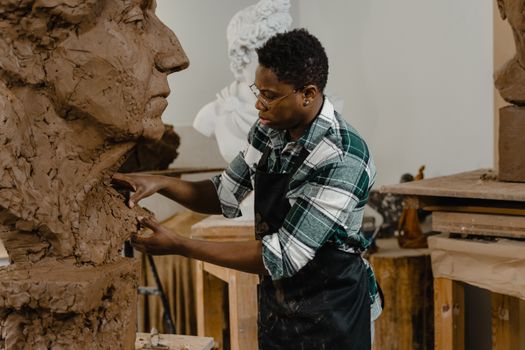 Photo: Tima Miroshnichenko / Pexels
While categorizing art into visual, performing, literary, and media forms is incredibly helpful for understanding its vast landscape, it's essential to recognize that art is rarely confined to neat boxes. The most exciting and innovative expressions often emerge at the intersections of these categories, giving rise to hybrid forms that challenge traditional definitions. Understanding these cross-disciplinary approaches is key to fully answering 'what are the different types of art' in a contemporary context.
Many contemporary artists deliberately blur boundaries. Performance art, for instance, often combines elements of visual art (props, costumes, setting), theater (scripted or improvised action), and sometimes even music or dance. Artists like Marina Abramović use their bodies and endurance as the primary medium, creating powerful, often unsettling, live experiences that are both visual spectacles and profound theatrical statements. Similarly, installation art, while primarily visual, can be highly experiential, transforming entire spaces and inviting audience interaction, sometimes incorporating soundscapes or video projections.
Digital media has been a particularly fertile ground for hybridization. Interactive installations, for example, might allow viewers to influence visual projections or sound compositions through their movements, merging visual art with aspects of performance and media. Virtual Reality (VR) and Augmented Reality (AR) art create immersive digital environments that can be experienced visually, auditorily, and sometimes even haptically, offering a multi-sensory artistic encounter that defies simple categorization. These technologies are not just tools; they are becoming integral to the artistic medium itself, enabling entirely new forms of expression.
Sound art is another fascinating hybrid. While related to music, it often moves beyond traditional musical structures, focusing on ambient sounds, experimental acoustics, or the sonic qualities of objects and environments. It can manifest as installations, performances, or recorded compositions, blurring the lines between music, sculpture, and conceptual art. Similarly, street art and graffiti, while rooted in visual expression, often engage with architecture and urban space in ways that are site-specific and ephemeral, taking on performative qualities through their creation and public display.
Moreover, the very act of artistic creation is often a dialogue across disciplines. A filmmaker might draw inspiration from a novel, a musician from a painting, or a dancer from an architectural structure. Artists are constantly learning from and referencing each other, regardless of their primary medium. This interdisciplinary approach enriches each art form and pushes the boundaries of what is possible. The future of art will undoubtedly continue this trend, with technology enabling ever more complex and interactive forms, and artists continuing to challenge our perceptions and definitions. The beauty of art lies in its constant evolution and its refusal to be strictly contained, inviting us to explore, question, and expand our understanding of human creativity.