✓ You don't need expensive supplies to begin painting.
✓ Consistency and practice are more important than initial talent.
✓ Experimentation is key to finding your style and preferred medium.
✓ Mistakes are part of the learning process and can lead to breakthroughs.
How It Works
1
Gather Your Basic Supplies
Start with a few essential tools like acrylic paints, brushes, and paper or canvas. Don't overspend on high-end materials initially.
2
Learn Fundamental Techniques
Explore basic color mixing, brush strokes, and layering. Simple exercises help build muscle memory and understanding.
3
Practice Regularly and Experiment
Dedicate consistent time to paint, even short sessions. Try different subjects and styles to discover what resonates with you.
4
Embrace Imperfection and Enjoy the Process
Understand that every artist starts somewhere and mistakes are learning opportunities. Focus on the joy of creating, not just the outcome.
Demystifying Beginner Painting Supplies: What You Really Need
Photo: cottonbro studio / Pexels
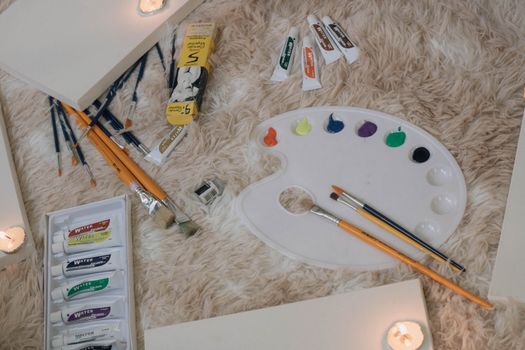
Embarking on your painting journey can feel overwhelming, especially when faced with an endless array of art supplies. The good news is, you don't need to break the bank or purchase every item on the art store shelf to get started. For beginners, simplicity is key. Focusing on a few core items will allow you to learn the fundamentals without feeling bogged down by too many choices. The most accessible and forgiving medium for beginners is often acrylic paint. It dries relatively quickly, is water-soluble (meaning easy cleanup!), and can be used on a variety of surfaces. Start with a basic set of primary colors (red, blue, yellow), plus black and white. Many beginner sets come with these, and they are sufficient for learning color mixing. You don't need artist-grade paints right away; student-grade acrylics are perfect for practice.
Next, let's talk brushes. A common mistake beginners make is buying too many brushes. For starters, a set of 3-5 brushes in varying sizes and shapes will serve you well. Look for a small round brush for details, a medium flat brush for broader strokes, and a larger wash brush for covering large areas. Synthetic brushes are versatile and work well with acrylics. Don't forget a palette for mixing your colors. An old ceramic plate, a plastic lid, or even wax paper can work perfectly. You'll also need a water container for cleaning your brushes (an old jar or plastic cup is fine) and some paper towels or an old rag for wiping them.
For surfaces, inexpensive canvas panels or acrylic paper are excellent starting points. You can buy multi-packs that allow for plenty of practice without worrying about 'ruining' an expensive canvas. Some artists even start on cardboard or thick paper. The goal here is to remove barriers to entry. The less intimidating your initial investment, the more likely you are to actually start. Remember, the quality of your art comes from your skill and vision, not necessarily the price tag of your materials. As you progress, you'll naturally discover what types of brushes, paints, and surfaces you prefer, and then you can invest more thoughtfully. For more advanced techniques and mediums, you might explore oil painting or watercolors later, but for now, keep it simple and focus on getting your hands dirty with acrylics. This minimalist approach allows you to focus on learning techniques rather than getting lost in the abundance of choices.
Mastering Basic Painting Techniques for Absolute Beginners
Photo: Huy Nguyễn / Pexels
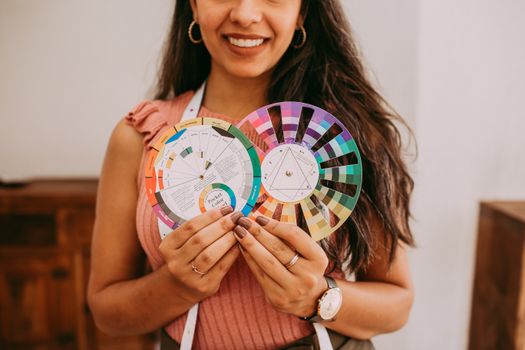
Once you have your basic supplies, the next step is to familiarize yourself with fundamental painting techniques. These are the building blocks upon which all your future artistic endeavors will rest. Don't aim for perfection at this stage; instead, focus on understanding how the paint behaves and how your tools interact with the surface. One of the first techniques to practice is color mixing. With your primary colors (red, blue, yellow) and black and white, you can create a vast spectrum of hues. Experiment by mixing small amounts of two primary colors to see what secondary colors (orange, green, purple) you can achieve. Add white to lighten colors (creating tints) and black to darken them (creating shades). Understanding color theory, even at a basic level, will dramatically improve your painting.
Next, explore different brush strokes. Each brush shape and size will create a unique mark. Try holding your brush at various angles, applying different pressures, and moving it in different directions. Use your flat brush to create broad, even strokes, and its edge for thin lines. Your round brush is excellent for details, dots, and varied lines depending on pressure. Practice making consistent lines, then broken lines, then swirls. Don't be afraid to make a mess; this is how you learn the versatility of your tools.
Another crucial technique is layering. Acrylics dry quickly, which makes them ideal for building up layers of paint. Start with thin, diluted washes for your base layers, allowing them to dry before adding subsequent, thicker layers. This allows you to build depth and texture. You can also practice glazing, which involves applying very thin, translucent layers of color over dried paint to subtly alter the hue or add luminosity.
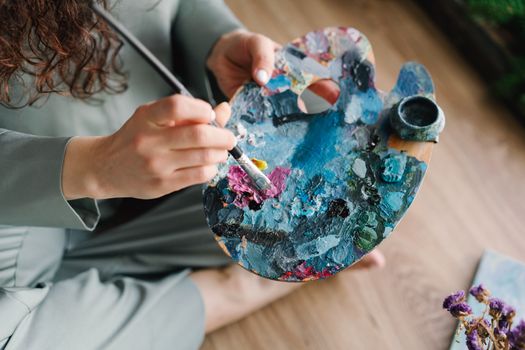
Blending is another fundamental skill. With acrylics, you'll often need to work quickly if you want to blend colors directly on the canvas before they dry. Practice blending two colors together to create a smooth transition. You can also use a wet brush to soften edges or blend colors that are already on the surface. Don't forget about texture! Experiment with applying paint thickly (impasto) to create visible brushstrokes and tactile surfaces. You can even use palette knives for interesting textural effects. The key is to practice these techniques individually before attempting to combine them in a full painting. Simple exercises like painting swatches of color, creating gradients, or drawing basic shapes with your brush will build your confidence and control. Remember, every stroke is a learning opportunity.
Your First Painting Projects: Easy Ideas to Get Started
Photo: RDNE Stock project / Pexels
Once you've familiarized yourself with basic supplies and techniques, it's time to tackle your first painting projects! The trick here is to choose simple subjects that allow you to apply what you've learned without feeling overwhelmed. Don't aim for a masterpiece; aim for completion and learning. One excellent starting point is painting abstract color blocks or gradients. This allows you to focus purely on color mixing, blending, and brush control without the pressure of realistic representation. Try creating a canvas with three distinct color sections that blend seamlessly into each other, or experiment with different monochromatic schemes.
Another fantastic beginner project is painting simple still life objects. Choose one or two everyday items from your home – perhaps an apple, a coffee mug, or a simple vase. Arrange them under good lighting and focus on capturing their basic shapes, colors, and the interplay of light and shadow. Don't worry about perfect realism; just try to render what you see. This helps develop your observational skills and allows you to practice layering and creating volume. You can simplify the background to avoid distraction. Learning about composition, even at a basic level, can greatly enhance these simple still life studies.
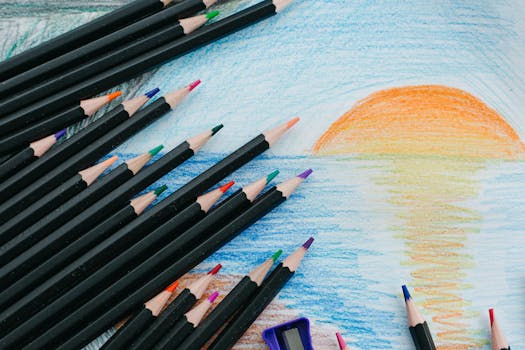
Nature-inspired subjects are also very forgiving. Try painting a simple landscape: a horizon line, a few trees, and a sky. You can simplify the shapes and colors dramatically. Focus on capturing the overall mood or atmosphere rather than hyper-realistic detail. Painting a simple sunset or sunrise, with its vibrant color transitions, is a great way to practice blending. Similarly, painting a single flower or a leaf can be a rewarding exercise in capturing organic shapes and delicate details.
Consider working from reference photos initially. This removes the pressure of inventing a scene and allows you to concentrate on the act of painting. Look for photos with clear shapes and strong light sources. There are many free resources online for royalty-free images. The most important thing is to choose something that genuinely excites you. If you're passionate about the subject, you'll be more motivated to see the project through. Remember to break down complex subjects into simpler shapes and colors. Don't try to paint everything at once. Build your painting layer by layer, starting with the largest shapes and lightest colors, then gradually adding details and darker tones. Celebrate each completed piece, no matter how simple, as a step forward in your artistic journey.
Common Beginner Painting Mistakes and How to Avoid Them
As you embark on your painting journey, encountering challenges is inevitable. Recognizing common beginner mistakes can save you frustration and accelerate your learning process. Being aware of these pitfalls allows you to proactively adjust your approach and develop better habits from the start.
Here are some frequent errors and how to steer clear of them:
* **Overworking the Paint:** One of the most common mistakes, especially with acrylics, is overworking an area. Beginners tend to keep brushing and blending a spot until the paint becomes muddy or the texture is uneven. Acrylics dry quickly, so if you're trying to blend, work swiftly. If the paint has already started to set, let it dry completely before adding a new layer. This prevents colors from getting dull and preserves the vibrancy of your strokes.
* **Using Too Much Water (or not enough!):** The right consistency of paint is crucial. Too much water with acrylics can make the paint thin, watery, and lose its opacity, making it difficult to cover the surface or achieve vibrant colors. Too little water, and the paint can be stiff and hard to spread, leading to clumpy textures. Experiment with small amounts of water to find a creamy, workable consistency that flows smoothly off your brush but still holds its color.
* **Neglecting Value Studies:** Value refers to the lightness or darkness of a color. Many beginners focus too much on color and not enough on value, which is actually more critical for creating depth and form in a painting. Before adding color, try doing a monochromatic study (using only black, white, and grays) of your subject. This helps you understand the light and shadow patterns, which you can then translate into color. A painting with strong values will look good even if the colors are slightly off.
* **Starting Too Detailed:** It's tempting to jump straight into the tiny details, but this often leads to a messy and unbalanced painting. Always begin with the largest shapes and broadest areas of color. Establish the overall composition and major light/shadow patterns first. Gradually refine these large areas, adding medium details, and finally, the smallest accents. Think of it like building a house – you lay the foundation and build the walls before adding decorative elements.
* **Comparing Yourself to Advanced Artists:** This is a creativity killer. It's easy to get discouraged when looking at the work of professional artists who have spent decades honing their craft. Remember, everyone starts as a beginner. Focus on your own progress and celebrate small victories. Your artistic journey is unique, and comparing it to others only detracts from your personal growth and enjoyment.
* **Not Cleaning Brushes Properly:** Paint, especially acrylic, can dry quickly and permanently damage your brushes if not cleaned immediately after use. Always have a water pot handy and rinse your brushes thoroughly between color changes and at the end of your painting session. Use a mild soap to remove all paint residue, reshape the bristles, and store them upright to dry. Proper brush care extends their life and ensures better painting results.
By being mindful of these common missteps, you can avoid unnecessary frustration and make your learning process smoother and more enjoyable. Embrace the learning curve, and remember that every 'mistake' is just an opportunity to learn something new.
Comparison
Feature
Acrylic Paints (Best for Beginners)
Watercolor Paints
Oil Paints
Drying Time
Fast
Fast (thin layers)
Very Slow
Cleanup
Water & Soap
Water
Mineral Spirits/Solvents
Opacity
Opaque (can be thinned)
Transparent
Opaque
Flexibility
✓ (versatile)
✗ (delicate)
✓ (can be reworked)
Cost (Beginner Set)
Affordable
Moderate
Higher
Surface Versatility
High
Low (paper specific)
Moderate (canvas)
What Readers Say
★★★★★
"This guide truly demystified how to start painting for beginners. I always felt intimidated, but the step-by-step advice on supplies and techniques made it so approachable. I've already completed two small canvases!"
Sarah J. · Austin, TX
★★★★★
"As someone with zero artistic background, I found this article invaluable. It broke down how to start painting for beginners into manageable chunks and encouraged experimentation. My confidence has soared."
Mark D. · Orlando, FL
★★★★★
"I was overwhelmed by choice, but this guide helped me select the right beginner supplies without overspending. Following the project ideas, I painted a lovely sunset that I'm genuinely proud of."
Emily R. · Seattle, WA
★★★★★
"Good practical advice on how to start painting for beginners. While some sections felt a bit basic for my personal learning style, the tips on avoiding common mistakes were particularly helpful and improved my technique."
David L. · Boston, MA
★★★★★
"I used to think painting was only for 'talented' people. This article completely changed my perspective, focusing on practice and enjoyment. It's a fantastic resource for anyone wondering how to start painting for beginners."
Jessica M. · Denver, CO
Frequently Asked Questions
What is the absolute best way to start painting for beginners?
The absolute best way to start painting for beginners is to begin with acrylic paints, a few basic brushes, and inexpensive surfaces like canvas panels or paper. Focus on learning fundamental techniques like color mixing and brush control through simple exercises, rather than trying to create a masterpiece immediately. Consistency in practice and embracing experimentation are key to building confidence and skill.
I'm not naturally artistic. Can I still learn to paint?
Absolutely! Artistic talent is often a result of practice and dedication, not just an innate gift. Many accomplished artists started with no prior experience. This guide on how to start painting for beginners is designed to show you that with the right approach and consistent effort, anyone can learn to paint and enjoy the creative process.
How often should a beginner painter practice?
Consistency is more important than duration. Aim for short, regular painting sessions – even 15-30 minutes a few times a week – rather than long, infrequent ones. This helps build muscle memory, keeps your skills fresh, and prevents burnout. The more consistently you practice, the faster you'll see improvement in your painting abilities.
How much should I spend on initial painting supplies as a beginner?
You don't need to spend a lot! For beginners, a budget of $30-$60 can get you a good starter set of student-grade acrylic paints, a few essential brushes, and a pack of canvas panels or acrylic paper. Focus on getting functional, not necessarily professional, quality tools to avoid financial pressure and allow for plenty of experimentation.
Is acrylic paint better than oil paint for beginners?
Yes, acrylic paint is generally considered much better for beginners than oil paint. Acrylics dry quickly, clean up easily with water, and are more forgiving of mistakes due to their fast drying time. Oil paints have a very long drying time and require special solvents for cleanup, which can be more challenging for someone just learning how to start painting for beginners.
Who should use this guide on how to start painting for beginners?
This guide is perfect for anyone who has an interest in painting but feels intimidated or doesn't know where to begin. It's ideal for complete novices, individuals looking for a new hobby, or those who want to rekindle a past interest in art. If you're wondering how to start painting for beginners, this resource is designed specifically for you.
Are there any safety concerns I should be aware of when painting?
With acrylic paints, safety concerns are minimal. Ensure good ventilation, especially if using any mediums or varnishes. Avoid ingesting paint and wash your hands thoroughly after painting. Some pigments can be toxic if ingested, though this is less common with student-grade acrylics. Always read product labels for specific safety instructions, especially if you venture into other mediums like oils.
What's the future trend for learning painting as a beginner?
The future trend for learning painting as a beginner leans heavily into online resources, interactive apps, and virtual communities. Personalized feedback through online courses, AI-powered tools for color palette generation, and augmented reality apps for sketching will likely become more prevalent, making art education even more accessible and tailored to individual learning styles.
Ready to unlock your inner artist? This comprehensive guide provides all the foundational knowledge on how to start painting for beginners. Grab your supplies, embrace the journey, and discover the joy of bringing your visions to life on canvas.