
Essential Art Supplies for Oil Painting: Your Ultimate Guide
Discover the core tools and materials to begin your exciting journey into the rich world of oil painting.
Start Painting NowKey Takeaways
- ✓ Quality oil paints offer better pigment concentration and lightfastness.
- ✓ Natural hair brushes are ideal for oil painting due to their ability to hold paint.
- ✓ Ventilation is crucial when working with solvents and certain mediums.
- ✓ Different painting surfaces (canvas, wood panel) offer unique textures and absorbency for oil paints.
How It Works
Acquire a basic set of oil paints, a few versatile brushes, a palette, and a suitable surface like a stretched canvas. These foundational items are your starting point.
Ensure good lighting and ventilation. Protect your work surface with a drop cloth and have a dedicated space for cleaning brushes and storing materials safely.
Squeeze out small amounts of paint onto your palette. Have your chosen painting medium (e.g., linseed oil, Gamsol) ready to adjust paint consistency and drying time.
Start with simple exercises to get a feel for the paint's texture and blending capabilities. Don't be afraid to experiment with different brushstrokes and color mixes.
Understanding Oil Paints: Brands, Pigments, and Grades
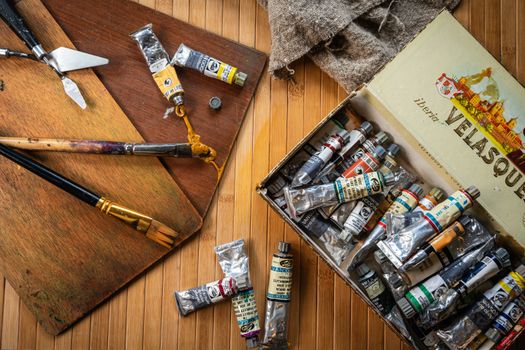 Photo: Ylanite Koppens / Pexels
Brushes, Palettes, and Painting Knives: Essential Tools for Application
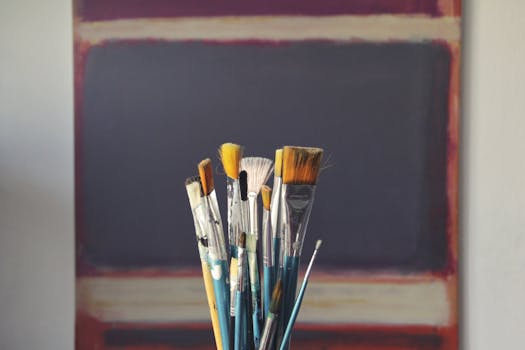 Photo: Pixabay / Pexels
Selecting Your Surface and Essential Mediums & Solvents
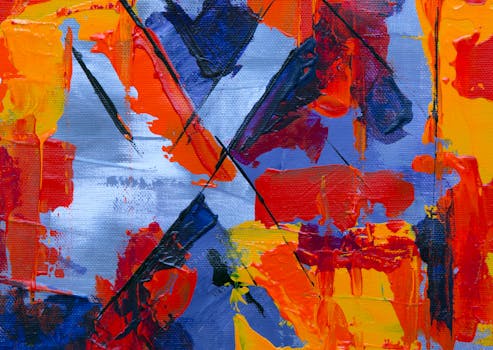 Photo: Steve A Johnson / Pexels
Setting Up Your Studio: Easels, Ventilation, and Safety Tips
 Photo: Anastasia Shuraeva / Pexels
Comparison
| Feature | Best Option (Professional) | Alternative 1 (Student Grade) | Alternative 2 (Odorless) |
|---|---|---|---|
| Oil Paint Quality | High pigment load, excellent lightfastness, smooth consistency (e.g., Gamblin Artist's) | Lower pigment load, good for practice, slightly chalkier (e.g., Winsor & Newton Winton) | Water-mixable oils, easier cleanup, slightly different feel (e.g., Cobra, Artisan) |
| Solvent Type | Distilled Turpentine (strong fumes, powerful) | Odorless Mineral Spirits (OMS) (less fumes, effective) (e.g., Gamsol) | Citrus-based Thinners (natural, pleasant smell, can be slow drying) |
| Brush Type | Natural Hog Bristle (sturdy, holds shape), Sable (soft, fine detail) | Synthetic Bristle (versatile, durable, affordable) | Silicone/Rubber Shapers (unique textures, no cleaning with solvent) |
| Surface Primer | Oil Primer (traditional, durable, specific texture) | Acrylic Gesso (versatile, fast-drying, widely available) | Lead Primer (historical, excellent, but toxic and restricted) |
What Readers Say
"Upgrading my art supplies for oil painting, especially to artist-grade paints, made an incredible difference. The colors are so much more vibrant and blend like a dream. My paintings have truly come alive."
Sarah J. · Austin, TX"This guide helped me choose the perfect set of brushes for my oil painting style. The hog bristle brushes are fantastic for texture, and the softer synthetics are great for blending. My work has improved dramatically."
Mark D. · Seattle, WA"I was overwhelmed by all the options for oil painting mediums. Following this advice, I tried an alkyd medium, and my drying time significantly reduced, allowing me to complete pieces much faster with excellent results."
Emily R. · Miami, FL"The information on ventilation was a lifesaver. I switched to Gamsol and invested in a small exhaust fan, making my studio much safer and more pleasant to work in. While the initial setup was a bit much, it's worth it."
David K. · Denver, CO"As a beginner, I was hesitant about the cost of art supplies for oil painting. This article helped me prioritize essential items and choose quality student-grade paints to start, which was perfect for learning without breaking the bank."
Jessica L. · Boston, MAFrequently Asked Questions
What are the absolute essential art supplies for oil painting for a beginner?
For a beginner, the absolute essentials include a basic set of student-grade oil paints (primary colors, white, black), a few versatile synthetic or hog bristle brushes (e.g., a flat, a round, a filbert), a palette (disposable or wooden), odorless mineral spirits for cleaning, and a few pre-primed canvas panels or stretched canvases. This minimal setup allows you to learn the basics without significant upfront investment.
Is oil painting difficult for beginners?
Oil painting can seem daunting, but it's very forgiving. Its slow drying time allows for extensive blending and corrections, making it ideal for beginners to learn color mixing and brushwork. With patience and the right supplies, anyone can learn to oil paint. Don't be afraid to make mistakes; they are part of the learning process.
How do I clean my oil painting brushes properly?
To clean oil painting brushes, first wipe off excess paint with a rag. Then, swirl the brush in a container of odorless mineral spirits or turpentine until most paint is removed. Finally, wash the brush thoroughly with warm water and mild soap (like brush soap or even dish soap), rinsing until the water runs clear. Reshape the bristles and lay them flat or hang them to dry.
How much should I expect to spend on quality art supplies for oil painting?
The cost can vary widely. A basic beginner's set of quality student-grade supplies might range from $50-$150. For artist-grade paints and a more comprehensive set of tools, expect to invest $200-$500 or more. Remember, quality over quantity often holds true; a few good items are better than many subpar ones. Consider buying open stock rather than sets to customize your palette.
Are water-mixable oil paints a good alternative to traditional oils?
Yes, water-mixable oil paints are an excellent alternative, especially for those sensitive to solvents or who prefer easier cleanup. They offer similar buttery consistency, rich colors, and slow drying times as traditional oils, but can be thinned and cleaned with water. While they may feel slightly different, they produce beautiful results without the need for harsh chemicals, making them a great choice for many artists.
Who should consider investing in professional-grade art supplies for oil painting?
Artists who are past the beginner stage, are committed to oil painting, and desire vibrant, lightfast, and consistent results should consider professional-grade supplies. If you're selling your artwork, preserving your pieces for longevity, or simply want the best possible painting experience, the investment in higher quality paints and tools is well worth it.
What are the primary safety concerns when working with oil painting supplies?
The main safety concerns revolve around ventilation and chemical exposure. Many solvents (like turpentine) and some mediums emit fumes that can cause headaches, dizziness, or long-term respiratory issues. Always work in a well-ventilated area, use odorless alternatives when possible, and wear gloves to prevent skin contact. Proper disposal of solvent-soaked rags is also crucial due to fire risk.
What future trends are emerging in art supplies for oil painting?
Emerging trends include an increased focus on non-toxic and eco-friendly options, such as solvent-free painting systems and natural, plant-based mediums. There's also a growing interest in historic pigments and traditional techniques, alongside innovations in synthetic brush technology that mimic natural hair performance. Manufacturers are also developing more specialized mediums for unique effects and faster drying times.
Armed with this comprehensive guide to art supplies for oil painting, you're now ready to embark on your creative journey. Choose your tools wisely, set up your space safely, and dive into the rich, expressive world of oil paint. Your masterpiece awaits!